Anyone that has a home in the Midwest finds out swiftly that winter does not evaluate a roof covering when. It tests it over and over. Snow tons develop, daytime thaw loosens up water right into seams, nighttime temperatures secure it back right into ice, and wind keeps searching for an edge to raise. By late February, even a sturdy roof can show the wear. Missing out on roof shingles, broken tabs, loosened flashing, blocked valleys, tarnished ceilings, and the slow-moving drip that just shows up when the attic room warms up, these recognize require roofing contractors throughout Illinois and the higher Chicagoland area.
That is one factor much more house owners have started asking about synthetic roofs. Not because they are fashionable, and not due to the fact that every home requires one, yet due to the fact that they solve a number of repeating maintenance problems that traditional products deal with after harsh winter months weather. When chosen thoroughly and mounted well, synthetic roofing systems can reduce breakage, shed water more effectively, withstand effect, and hold their appearance with much less intervention year after year.
For property owners in places like Chicago, Naperville, and the bordering suburban areas, the inquiry is generally practical: will this roof suggest fewer repair work after a difficult winter season? In many cases, the answer is yes. The information issue, though, specifically the item kind, the profile, the attic conditions, and the skill of the team handling the synthetic roofing system installation.
Midwest winter season damage is seldom brought on by one event
The roofings that stop working after a tornado are not always the roofings that took the inmost snow. Regularly, they are the roofings that were currently susceptible in a couple of tiny means. A fragile shingle near the eave. A weak valley detail. Blinking that was acceptable in October yet no longer sealed snugly after weeks of growth and contraction.
In the Midwest, winter months roof covering damages usually comes from a domino effect. Snow accumulate. The house loses warmth erratically. Snow thaws in cozy areas and runs downward until it gets to a chilly eave, where it ices up and develops ice. Much more water supports behind it. Wind-driven snow infiltrates joints. After that the following freeze locks everything in position. If roof covering product is susceptible to breaking, crinkling, or absorbing dampness, maintenance calls tend to follow.
Traditional asphalt roof shingles can perform well, specifically higher-grade variations, yet in severe freeze-thaw climates they typically show their age through granule loss, tab damages, and deteriorated seal strips. All-natural slate and cedar have their very own strengths, yet each comes with upkeep truths. Slate is beautiful and sturdy but heavy, breakable under impact, and pricey to repair. Cedar has heat and personality, though dampness monitoring is crucial and maintenance is ongoing.
This is where building synthetic roof has actually acquired traction. It intends to deliver the appearance of slate, shake, or floor tile while lowering some of the maintenance problems those materials can develop after duplicated wintertime stress.
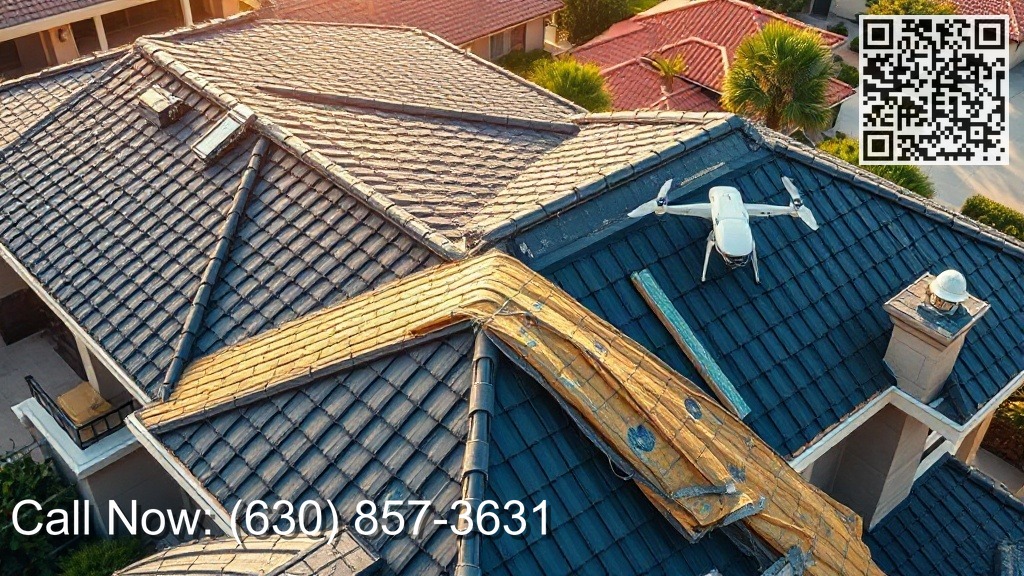
Why synthetic materials deal with freeze-thaw cycles differently
A durable artificial roof covering product is crafted to be https://gregoryrnjl170.readspirex.com/posts/synthetic-roof-setup-tips-for-homes-subjected-to-snow-and-wind lighter, a lot more versatile, and a lot more influence resistant than many traditional options. That adaptability matters in winter. When temperature levels swing from the teens to the mid-thirties and back once again, the roof surface expands and contracts. Materials that come to be brittle under those problems can fracture. Materials with a little provide are much less likely to fracture at nail points, sides, or stress and anxiety lines.
That does not imply every synthetic product is equal. Premium synthetic roof covering varies commonly by supplier, solution, and service warranty assistance. Some items are built polymers, some are rubber blends, and others are advanced composite materials. The best among them are created to resist UV direct exposure, moisture absorption, and thermal motion without losing shape or structural integrity.
From an upkeep viewpoint, the advantage is uncomplicated. When the roof covering product itself is less likely to divide, chip, or loosen up in winter season, there are fewer opportunities for water invasion after tornados. In functional terms, that can suggest fewer springtime repair sees, less emergency patches, and less money invested chasing isolated leak points.
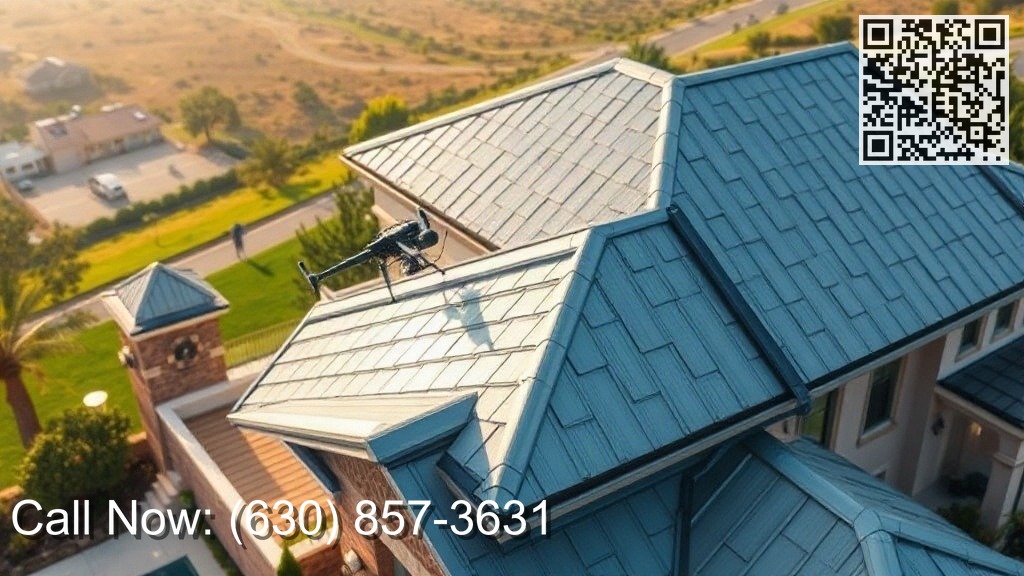
I have actually seen this play out many plainly on high roofings with complex geometry. A simple cattle ranch roof is one thing. A huge custom home with dormers, hips, valleys, stone chimneys, and long eaves is another. On those homes, every roofing information comes to be much more subjected to snow drift, ice accumulation, and wind pressure. Artificial roof for deluxe homes has come to be especially popular therefore. Owners want the look of cedar shake or slate, but they do not want the annual concern that comes with fragile materials and difficult winter months repairs.
Ice dams reveal weak points fast
No wintertime roof discussion in the Midwest is total without speaking about ice dams. Home owners often tend responsible the roof covering itself, but the real photo is extra challenging. Ice dams create when warm loss from the home thaws snow above, then refreezes at the chillier edge of the roof. Ventilation, insulation, air sealing, underlayment choice, and roofing style all play a role.
Still, the outer roofing product issues. Some surface areas hold snow in different ways. Some accounts produce even more friction. Some items soak up more dampness or degrade faster when water sits against them consistently. Synthetic roofing tiles and artificial slate accounts usually give a cleaner, much more consistent surface that loses water well and does not weaken as promptly from intermittent cold. When coupled with appropriate ice-and-water security at prone areas, they can decrease the amount of upkeep linked to dam-related infiltration.
That does not make a synthetic roof unsusceptible to ice dams. No responsible synthetic roofer must promise that. If the attic is dripping warmth terribly sufficient, ice will still develop. However when ice does support, the roof setting up has a much better opportunity of holding the line if the material is steady, the underlayment is appropriate, and the flashing information were performed correctly.
A homeowner in Naperville once described the difference after replacing an aging cedar-look roofing system with an artificial alternative. Before the substitute, every hefty snow appeared to create the very same ritual: rake the reduced side, watch for tarnishing around a second-floor room, and require place repair work in springtime. After the new installation, along with attic room air securing and updated underlayment, the winter season routine altered. Snow still dropped, temperatures still swung, but the repeated leak concern quit. That outcome was not simply the material, yet the product played a real duty in creating an extra forgiving roofing system.
Impact resistance matters greater than many home owners realize
Midwest winters months are not only concerning snow and ice. They additionally bring tree arm or leg strikes, hail storm tucked inside cold spells, and wind-driven debris. Roofings that survive winter with fewer repairs normally have something alike: they endure impact without prompt noticeable damage.
This is among the strongest disagreements for property synthetic roof. Lots of artificial products are rated for effect resistance at degrees that outperform more weak options. On paper, that appears technical. In the field, it suggests a branch that might split an all-natural slate tile or wound an older shingle may leave much less damage on a top quality synthetic panel or shingle.
The upkeep advantage is not just less evident breaks. It is also less concealed ones. Some tornado damage is subtle. A tiny fracture or puncture may not leak as soon as possible, however after more freeze-thaw cycles it becomes an issue. If the roof material can soak up that hit and stay intact, the house owner stays clear of the postponed repair service that usually surface areas months later.
For homes under fully grown trees, this matters a good deal. In neighborhoods throughout artificial roof covering Chicago solution areas, older whole lots are lined with oaks, maples, and elms. They include value and charm, however winter storms turn them right into roof hazards. A roof covering material that can shake off the smaller impacts often saves the owner from duplicated upkeep calls.
Less weight, fewer structural concerns
Weight is not the first thing house owners think of after a wintertime storm, yet it should belong to the conversation, particularly throughout an artificial roofing substitute. All-natural slate and clay ceramic tile are considerable materials. They can last a long time, but their weight places actual demands on the roofing system framework. In an area where roof coverings already lug snow tons, a lighter roof covering product uses functional advantages.
Synthetic roofings mimic the visual depth of larger materials while positioning less stress and anxiety on rafters and outdoor decking. That does not eliminate the requirement for structural review, yet it simplifies several jobs and can make future upkeep a lot more workable. Crews can work much more safely and successfully on a lighter system, and repair work, if they are ever required, tend to entail much less customized handling than delicate rock or tile.
That becomes particularly appropriate on older homes in the Midwest, where framework might be solid but not designed for the dead tons of costs all-natural materials. A synthetic roofing business that understands regional housing supply can evaluate whether a home is an excellent prospect for slate-look or shake-look synthetics without compeling unneeded architectural modifications.
The installation top quality still decides a lot
A poor installation can destroy a great item. That holds true for every single roofing material, however it is specifically crucial with artificial systems since property owners commonly anticipate a near-premium outcome and reduced upkeep from the first day. If the securing pattern is wrong, if the starter training courses are weak, if the valleys are reduced carelessly, or if the flashings are reused when they ought to have been replaced, winter season will reveal those shortcuts quickly.
The distinction in between a roof that cruises with February and one that needs March repair services often boils down to little information that never ever appear in advertising photos. This is why selecting experienced synthetic roof installers matters as high as selecting the item itself. A credible synthetic roofer Chicagoland house owners can count on must recognize regional snow patterns, ice dam zones, metropolitan code requirements, attic room air flow, and manufacturer-specific setup standards.
When I look at roofs that remain trouble-free after severe wintertimes, I normally see the very same points: cautious blinking shifts, strong edge detailing, thoughtful snow and water monitoring, and a staff that valued layout and exposure lines. Artificial roofing installment is simple in the abstract, however it does award technique. A roofing system can look lovely from the street and still be vulnerable if the system beneath was rushed.
Where upkeep savings really reveal up
Homeowners typically ask whether artificial roof coverings get rid of maintenance. They do not. No roof covering is maintenance-free, specifically in a Midwest environment. Rain gutters still require cleansing. Flashings still deserve evaluation. Branches still need trimming back. Sealants around penetrations still age. What changes is the frequency and extent of material-related repairs.
The savings tend to show up in a couple of details methods:
- fewer fractured or damaged area pieces after freeze-thaw cycles less replacement job after minor arm or leg strikes or hailstorm events fewer persisting leak examinations linked to fragile, maturing roofing system surfaces less cosmetic deterioration on high-visibility roof planes longer periods prior to a major artificial roofing replacement ends up being necessary
That is not an assurance of reduced price in annually. The in advance financial investment for costs artificial roof is typically higher than standard asphalt. For some homes, particularly simple rooflines on moderate budgets, building roof shingles stay the right response. However on bigger homes, steep inclines, custom-made styles, or buildings where proprietors want the appearance of slate or cedar without the exact same upkeep account, the lifecycle equation often prefers artificial materials.
Aesthetic sturdiness is part of upkeep, too
Homeowners normally think about upkeep as leakages and fixings. Look belongs in the conversation as well. Wintertime is hard on the look of a roofing. Repetitive wetness exposure, ice scraping, blown debris, and sunlight glare mirroring off snow can age lower-grade materials promptly. Discoloring, streaking, busted edges, and unequal wear make a roof look tired long prior to it stops working structurally.
Premium synthetic roofing products are often selected since they hold their profile and shade well. That matters on noticeable front elevations, but it matters much more on homes with complicated roof covering design where irregular wear sticks out. A roof that maintains its form and coating through multiple wintertimes calls for fewer place repairs for look alone.
This is a huge reason synthetic roofing for deluxe homes has discovered such a solid specific niche. On premium property projects, owners appreciate lasting visual consistency. They want the roofing to age beautifully, not start looking mismatched after the very first repair work cycle. Considering that several artificial lines are created with mixed color patterns and molded appearance, substitute pieces can incorporate much more normally than fixings on weather-beaten wood shake or breakable stone.
Not every home needs the exact same artificial roofing system system
One mistake I see is treating all artificial roofings as compatible. They are not. The appropriate system relies on the home, the community, the direct exposure, and the owner's priorities.
A steep Tudor in a windy passage outside Chicago might benefit from a slate-profile synthetic with robust fastening and high wind resistance. A huge transitional home in Naperville might call for a shake-look item that complements masonry and broad roof planes. A historic-style home might require a much more refined account with shadow lines that resemble hand-split cedar or quarried slate. A lake-influenced microclimate might place added emphasis on dampness dropping and fastener durability.
That is where a seasoned synthetic roof covering firm includes value. The task is not just marketing a category. It is matching the item to your home. Excellent contractors ask the ideal questions: Just how much tree cover exists? Are ice dams a history on this home? What does the attic air flow look like? Exist previous leakage areas around smokeshafts or skylights? Is the house owner preparation to remain long enough to gain from the lifecycle value?
For those checking out synthetic roof covering Naperville IL or wider synthetic roofing Chicago choices, regional climate understanding is not a minor information. It is main to the recommendation.
What property owners need to ask before moving forward
The ideal artificial roof tasks begin with a realistic conversation, not a sales pitch. House owners ought to recognize both the benefits and the restrictions of the product, in addition to what else requires to happen to reduce wintertime maintenance.
A helpful discussion with a synthetic roofing contractor must cover these points:
- whether the roof deck, air flow, and insulation need correction prior to installation what impact and wind rankings the details item carries how valleys, flashings, ridge details, and eaves will certainly be handled what maintenance is still advised after major winter months storms how the guarantee relates to products versus workmanship
Those concerns disclose a lot regarding the professional. Clear, certain solutions normally signify field experience. Obscure pledges concerning a roof that will certainly never require focus normally indicate the opposite.
The useful trade-off: higher in advance price, reduced interruption later
The main doubt with synthetic roof is cost. That reluctance is reasonable. Artificial materials typically sit over conventional asphalt in price, and some premium lines come close to the installed price of various other premium roof groups. Homeowners ought to not be pushed past their budget plan in search of a product they do not really need.
At the very same time, expense should be evaluated against interruption. Repetitive winter months repairs lug their very own price, not only in billings but in organizing, indoor risk, and homeowner anxiety. A leak that appears during a deep freeze rarely obtains a best fix immediately. It obtains a stablizing check out, after that a follow-up, then maybe interior repair work after thaw. Avoiding that cycle has value.
For several households, specifically those with demanding routines or second-story roof covering complexity, the very best maintenance strategy is lowering the number of winter-related roofing system occasions to begin with. That is where artificial roof coverings earn their maintain. They do not quit wintertime from being winter season. They just give the home a more resistant covering versus the sort of repeated penalty Midwest weather condition delivers.
Why this option keeps pushing on in the Midwest
The enhanced rate of interest in artificial roofing system replacement throughout Illinois is not difficult to comprehend. House owners desire toughness, lower upkeep, building personality, and an item that stands up to real weather condition instead of display room conditions. Builders and remodelers desire materials that mount cleanly and execute continually. Contractors want systems that lower callbacks. Artificial roof covering rests at that intersection.
When defined effectively, building artificial roofing can use the look of premium materials with a more flexible upkeep account after hefty snow, ice, hail storm, and freeze-thaw cycling. That is a purposeful advantage in this region. It does not replace great insulation, good ventilation, or good workmanship. It does sustain all three.
After sufficient Midwest wintertimes, a lot of home owners end up being much less thinking about roof covering concept and more interested in useful results. Does the roof stand up? Does it stay clear of reoccuring difficulty areas? Does it keep your home dry without continuous intervention? On many homes, especially those with intricate rooflines or a background of winter months damages, the response is increasingly discovered in premium synthetic roofings mounted by contractors who recognize the climate they are building for.
When Quality Matters
Salvo Architectural Roofing Contractors
566 West 5th Ave Naperville, IL 60563
(630) 857-3631
 Ask ChatGPT
 Ask Grok
 Ask Perplexity
 Ask Claude
 Ask Google AI
 Ask You